
Responsible consumption and production
Steel hero: How sustainable is steel?
As you might expect, our main material in pipe production is steel. This is largely produced in hot blast furnaces fuelled by coal. That doesn't sound very sustainable at first. But anyone who thinks that steel is automatically a polluter is wrong. There are a number of factors that make steel a sustainable material – you just have to take a closer look.
Longevity:
Steel is robust and corrosion-resistant – and therefore often lasts for several decades without losing quality or strength. The longer the service life, the more the carbon balance is relativised.
Circular economy:
Circular economy: keeping materials in circulation for as long as possible – instead of disposing of them after a single use. Steel is ideally suited for this. With a modular design, entire components can be reused – just like our pipes.
Green steel:
With modern production technologies, it is also possible to produce “green” steel, for example by using hydrogen instead of coal. Electric arc furnaces can also produce new steel from scrap using renewable electricity. Both of these measures massively reduce carbon emissions from steel production.
Resource efficiency:
Less material, same quality: because steel has a high strength at a comparatively low weight, we can cleverly optimise the design – and save resources in the process. This not only minimises the use of materials, but also makes our products lighter and more efficient.
Good recycling rate:
Around 50 percent of the steel in our products is already made from recycled material. More is currently not possible, because we have to ensure the highest quality when recycling. Steel alloys with precisely defined properties are needed to fulfil certain requirements, such as strength or corrosion resistance. This is why fresh material is added to every batch of recycled steel. This ensures quality and ensures that the old material can be turned into something new with a long life cycle.
Circular economy – because we only have one earth
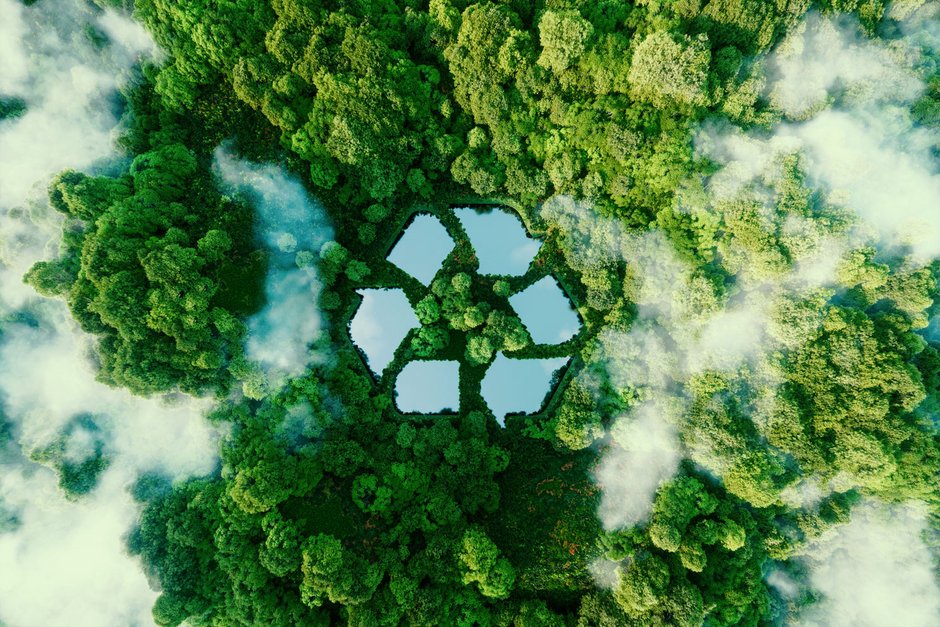
We only have one planet – and we at JACOB treat it with care. One important factor is the circular economy: we keep resources in circulation for as long as possible, minimise waste and reuse materials. "We show that circular economy also works in our industry - and invite you to join in," says Lisa Kleemann, our interface between marketing and sustainability, proudly.
Throwing away is not an option
From material procurement to shipping – we take a holistic approach to the cycle and constantly scrutinise how we can get even more out of it.
- Recyclable materials: Almost all of our materials are recyclable, with one exception: silicone seals that are attached to the parts. We are actively looking for sustainable solutions here.
- Clean separation: We strictly separate standard steel, stainless steel, copper and other high-quality steels.
- Circularity principle: We feed all offcuts from production directly back into the process – in line with the German Circular Economy Act. To minimise waste, we rely on intelligent planning: an AI-supported solution distributes the cutting patterns on the raw material sheets as efficiently as possible – similar to cutting out biscuits.
- Regional partners: To recycle residual materials professionally, we work with regional companies such as steel buyers and certified companies for wastewater.
- Pallet upcycling: Our employees can use pallet wood that accumulates in the company for their own construction projects free of charge.
Upcycling – from pallet to welding table
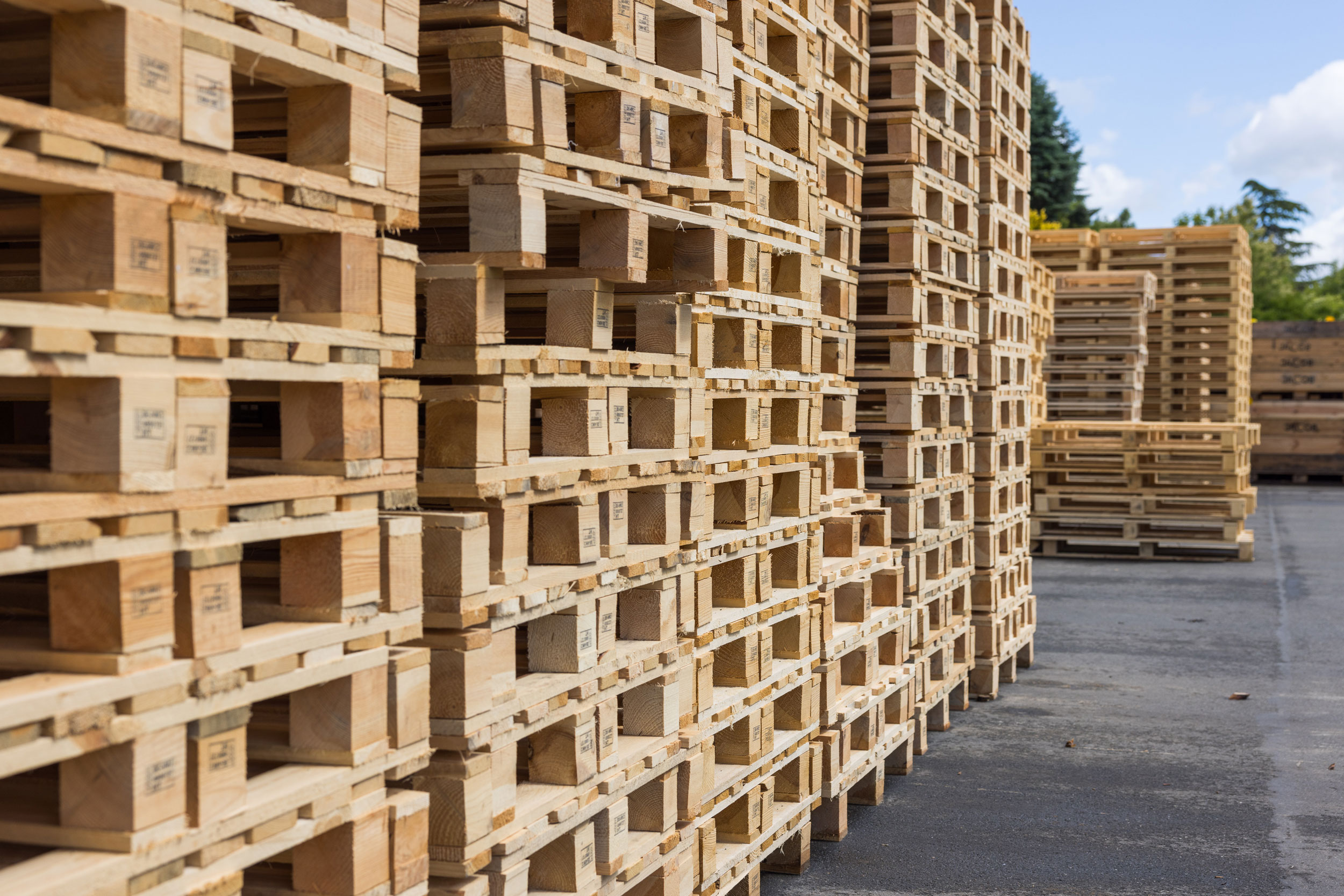
Our mobile welding tables made from upcycled pallets show just how much potential there is in old Euro pallets. Developed for our Macher Day and the Macher Festival, they create flexible workstations in the smallest of spaces. The idea and implementation come directly from our training managers and trainees.
Nailing it
Training manager and "welding pro" Gerd Berg explains: "A workstation consists of six Euro pallets. This includes a robust metal table with space for the welding machine and two side panels with perforations for accessories. Four of these workstations can be connected to form a block – ideal if many hands want to work together and try things out at the same time."

Efficient all round: Our water cycle
Whether steel or water – no matter what material we use, we use it as efficiently as possible. In production, this means: circularity. For us, responsibility does not end with the material, but only really begins there.
We also see water as a valuable resource, and treat it accordingly: a good 30 percent of our total water consumption flows through production – and not just once. Thanks to an in-house recycling system, 100 percent of the production water used is cleaned, treated and reused. This is not a new trend, but is in line with what the Recycling Management Act (KrWG) has required since 2012: conserve resources and use them more efficiently. For us, this has long been part of everyday life – because it simply makes sense.
Not a drop wasted


That's how much water we used in production in 2024 – exactly 1,444 cubic metres. And all of it reused. Not a drop wasted.

Reuse instead of throwing away
We use reusable containers for internal transport. And that’s not all – they are also used for transports to and from selected suppliers. The principle behind it is simple: once there, once back – without any packaging waste. For merchandise such as seals, we use pallets with wooden stacking frames. Our subsidiary EUROTUBI delivers pipes to us on carousel racks – thus saving on disposable materials.
Where we cannot completely dispense with disposable packaging, we rely exclusively on 100-percent recyclable materials such as cardboard, wood or paper. Many of our customers use them several times so that we can reduce waste together.